

 Roman T.
Europe is home to some of the most breathtaking, jaw-dropping, and downright magical places on the planet. Whether you’re dreaming of ancient ruins bathed in golden light, fairy-tale cities reflected in glassy canals, or clifftop villages that look like they were painted by hand, this continent delivers every single time.
With 44 countries and thousands of landmarks vying for attention, where should you even begin? To help with that, we’ve put together the ultimate list of European tourist attractions—the definitive guide to the places that will make your followers stop scrolling and ask, “WHERE IS THIS?”
Editor’s Note:
Bookmark this page so you can come back to it when you start planning your next trip. There’s so much to explore in Europe, and this list will help you keep track of all the must-see spots that you don’t want to miss.
Must-Visit European Tourist Attractions That Will Blow Your Mind
1. The Eiffel Tower, Paris, France – The Icon That Never Gets Old
Yes, it’s on every list. Yes, you’ve seen a thousand photos. And yes, it will still absolutely take your breath away when you see it in person.
The Eiffel Tower stands tall at 330 meters and is over 130 years old. It remains one of the most visited monuments in the world, drawing nearly 7 million visitors each year. The panoramic views from the top stretch across all of Paris, and at night, the tower sparkles with 20,000 light bulbs in a stunning display that lasts for five minutes at the top of every hour after sunset.
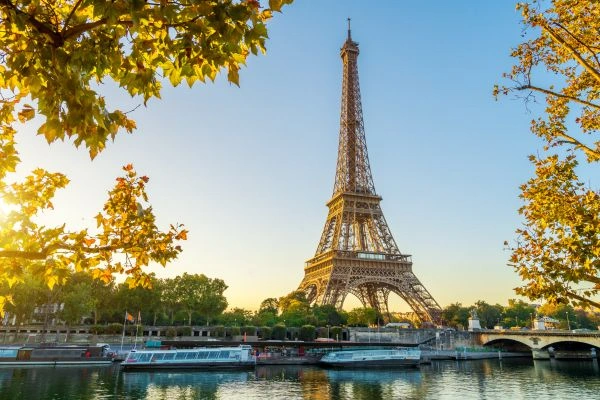
Instagram moment: Shoot from the Trocadéro gardens just across the Seine at golden hour for the classic symmetrical shot with the tower centered in the background. Your followers will thank you.
- Best time to visit: April–June or September–October to avoid the summer crowds
- Don’t miss: The champagne bar on the first floor
- Budget tip: Book skip-the-line tickets at least two weeks in advance online
2. The Colosseum, Rome, Italy – 2,000 Years of Pure Drama
Standing inside the Colosseum is one of those experiences that makes you feel small—and lucky to witness such a monumental piece of history. Built between 70 and 80 AD, this ancient amphitheater once held up to 80,000 spectators who gathered to watch gladiatorial combat, animal hunts, and public spectacles.
Today, it remains one of the most recognizable European tourist attractions. The size of the structure combined with its rich history makes it nearly impossible to photograph poorly.
Instagram moment: Shoot from the outside at blue hour (just after sunset), when the warm amber light hits the ancient stone. The contrast with a deep blue sky is extraordinary.
- Pair it with: The Roman Forum and Palatine Hill—all included with the same ticket
- Hidden gem nearby: Caffè Greco on Via Condotti, one of Rome’s oldest coffee shops
3. Santorini, Greece – The Most Photographed Island in the World
If there’s one European destination made for Instagram, it’s Santorini. The iconic blue-domed churches of Oia perched on volcanic cliffs above the sparkling Aegean Sea have become one of the most reproduced images in travel photography—and yet, nothing compares to seeing it in person.
Santorini was formed from a massive volcanic eruption about 3,600 years ago, creating the dramatic caldera that defines the island’s geography. The white-washed buildings cascading down steep cliffs, along with the sunsets that turn the sky into a tapestry of oranges and pinks, make it feel like you’re in a scene from a movie.
- Best spot for sunset: The windmills at Oia—arrive at least 90 minutes early to get the best spot
- Secret beach worth finding: Red Beach near Akrotiri for dramatic volcanic landscape shots
- Best time to visit: May or October—fewer crowds, lower prices, same stunning views
4. The Northern Lights, Norway – Nature’s Greatest Light Show
No list of European tourist attractions would be complete without the Northern Lights. The Aurora Borealis is a phenomenon that you have to see at least once in your lifetime. No photograph, no matter how good, can fully capture the magic of standing beneath a sky alive with green, purple, and white light.
Tromsø, Norway, is considered one of the best places in Europe to witness the Northern Lights. Located 350 kilometers north of the Arctic Circle, this city experiences polar nights from late November to mid-January, making it the prime time to see the lights.
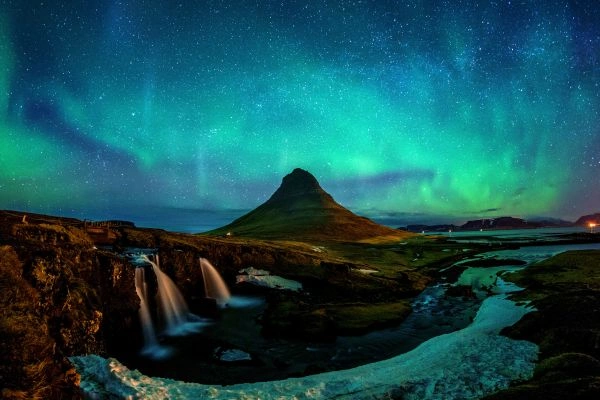
Insider tip: Download the “My Aurora Forecast” app before your trip and book a guided Northern Lights chase tour. Local guides know exactly where to take you to maximize visibility, far from light pollution.
- Best months: October to March
- Where to stay: A glass-roofed igloo cabin for a full sky-watching experience
5. Prague’s Old Town, Czech Republic – A City That Looks Like a Fairy Tale
Prague is one of those European cities that looks too beautiful to be real. Its medieval architecture survived World War II largely intact, so walking through the Old Town is like stepping into the 14th century—except with excellent coffee.
Old Town Square, with its Astronomical Clock (Orloj) striking on the hour, the Gothic towers of the Church of Our Lady Before Týn, and the colorful Baroque and Renaissance buildings that line the cobblestone streets, is one of the most photogenic spots in Europe.
- Don’t miss: Crossing Charles Bridge at dawn—you’ll almost have it to yourself
- Budget-friendly: Prague is significantly more affordable than Paris, Rome, or London
- Hidden gem: The John Lennon Wall in Malá Strana—an ever-changing canvas of art and graffiti
6. The Amalfi Coast, Italy – Cinematic Cliffside Perfection
There are coastlines, and then there’s the Amalfi Coast. Stretching 50 kilometers along the southern edge of Italy’s Sorrentine Peninsula, this UNESCO World Heritage site is home to colorful fishing villages, lemon groves, and turquoise water that has inspired artists, writers, and filmmakers for centuries.
Towns like Positano, Ravello, and Amalfi are the epitome of la dolce vita, where you sip limoncello on a sun-drenched terrace and wonder how such beauty exists. Every view looks like it could be a magazine cover.
- Pro tip: Hire a private boat for a day to get an aerial view of the cliffs and villages from the water—this perspective is impossible to capture from land.
7. Dubrovnik’s Old City, Croatia – Game of Thrones Meets the Adriatic
Known as the “Pearl of the Adriatic,” Dubrovnik’s Old City is surrounded by massive medieval limestone walls that rise directly from the turquoise sea below. It is one of the best-preserved medieval walled cities in the world, and due to its role as King’s Landing in Game of Thrones, it’s become a top European tourist destination.
Walking the 2-kilometer circuit of the city walls gives you 360-degree views across terracotta rooftops to the Adriatic Sea. It’s truly one of the most dramatic vantage points in Europe.
- Best view: Fort Lovrijenac, just outside the western walls, offers an amazing overhead view of the city
- Visit early: The Old City gets crowded mid-morning—arrive before 8 am for quiet streets and golden-hour photos
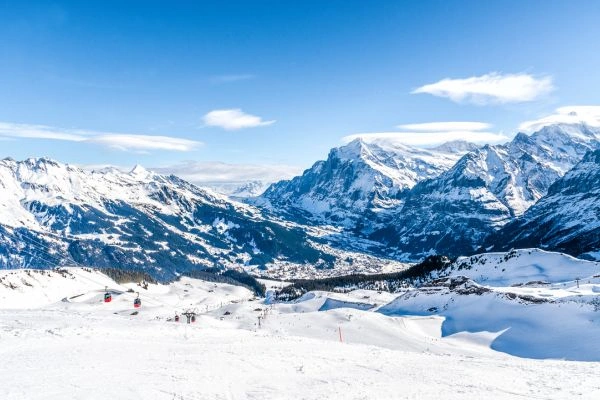
8. The Swiss Alps, Switzerland – For When You Need to Level Up Your Feed
Jungfrau, Zermatt, Grindelwald—Switzerland’s alpine landscape is almost too photogenic. Whether you’re skiing, hiking, or simply sitting on a mountain terrace watching the Matterhorn turn pink during the alpenglow, the Swiss Alps represent European tourism at its highest peak.
The Jungfraujoch—the “Top of Europe“ at 3,454 meters above sea level—offers some of the best panoramic mountain views on the continent, including views of the Aletsch Glacier, the longest glacier in the Alps.
- Best budget hack: The Swiss Travel Pass gives unlimited travel by train, bus, and boat—worth every penny
- Most photogenic village: Grindelwald, with the North Face of the Eiger as its backdrop
Bonus: 5 Underrated European Tourist Attractions That Will Make You Look Like a Serious Traveler
Want to stand out from the crowd? These lesser-known gems deserve a spot on your bucket list just as much as the famous ones:
- Plitvice Lakes National Park, Croatia: Sixteen terraced lakes connected by waterfalls in a primeval forest. It looks like CGI—but it isn’t.
- Hallstatt, Austria: A stunning lakeside village in the Austrian Alps. Often called the world’s most beautiful town.
- Ghent, Belgium: Medieval canals, Gothic cathedrals, and a vibrant food scene—like Bruges, but without the tourist crush.
- Meteora, Greece: Monasteries perched on towering rock pillars in central Greece. Utterly otherworldly.
- Ronda, Spain: A dramatic city perched atop a 120-meter gorge. The views from the Puente Nuevo bridge are vertigo-inducing.
How to Plan Your European Bucket List Trip: Practical Tips
- Best Time to Visit European Tourist Attractions: The shoulder season (April–May and September–October) is the sweet spot. You get great weather, smaller crowds, and lower accommodation prices.
- Getting Around Europe: Europe’s rail network is exceptional. Interrail and Eurail passes offer unlimited train travel across multiple countries, ideal for covering bucket-list destinations. For longer trips, budget airlines like Ryanair and easyJet connect major cities affordably—just factor in luggage fees.
- Booking Tickets in Advance: For the most popular European tourist attractions (such as the Colosseum, the Eiffel Tower, and the Sagrada Família), booking tickets weeks or even months in advance is recommended. Without a reservation, expect long waits or, in some cases, refusal of entry during peak season.
Frequently Asked Questions
- What Are the Top European Tourist Attractions to Visit?
Some of the most popular European tourist attractions include the Eiffel Tower in Paris, the Colosseum in Rome, Santorini in Greece, the Northern Lights in Norway, and the Swiss Alps in Switzerland. These iconic destinations offer a mix of historical landmarks, stunning natural beauty, and cultural experiences that attract millions of visitors each year.
- What Is the Best Time to Visit European Tourist Attractions?
The best time to visit European tourist attractions is during the shoulder season (April to May and September to October). During these months, you can enjoy mild weather, fewer crowds, and lower accommodation prices compared to the peak summer months. This makes it an ideal time for sightseeing and capturing great photos without the rush of tourists.
- How Can I Save Money When Visiting European Tourist Attractions?
To save money, consider purchasing a Swiss Travel Pass or an Interrail Pass, which provides unlimited travel by train, bus, and boat. Many attractions also offer family or group discounts, so booking in advance can save you money. Additionally, look for skip-the-line tickets to avoid long queues, especially at popular sites like the Eiffel Tower and the Colosseum.
- What Are Some Lesser-Known but Beautiful European Tourist Attractions?
For those looking to explore off-the-beaten-path destinations, consider visiting Plitvice Lakes National Park in Croatia, Hallstatt in Austria, Ghent in Belgium, Meteora in Greece, and Ronda in Spain. These hidden gems offer stunning natural landscapes, rich cultural history, and fewer crowds compared to more famous spots.
- How Do I Get Around Europe to Visit Tourist Attractions?
Europe has an extensive and efficient transportation network. Interrail and Eurail passes are great options for unlimited train travel across multiple countries. Many major cities also have well-connected metro systems, buses, and trams. For longer distances, budget airlines like Ryanair and easyJet provide affordable flights between major cities. If you plan on visiting multiple attractions, public transportation is an excellent way to explore.
The Endless Allure of Europe
This bucket list barely scratches the surface of what Europe has to offer—and that’s the point. Every country has something extraordinary to give: flavors you’ve never tasted, architecture you didn’t know existed, and landscapes that will genuinely move you.
Start with one destination. Tick it off. Then come back for another. And another. Because once Europe gets its hooks into you, you’ll keep returning for the rest of your life—and your Instagram feed will never look the same.