


 Roman T.
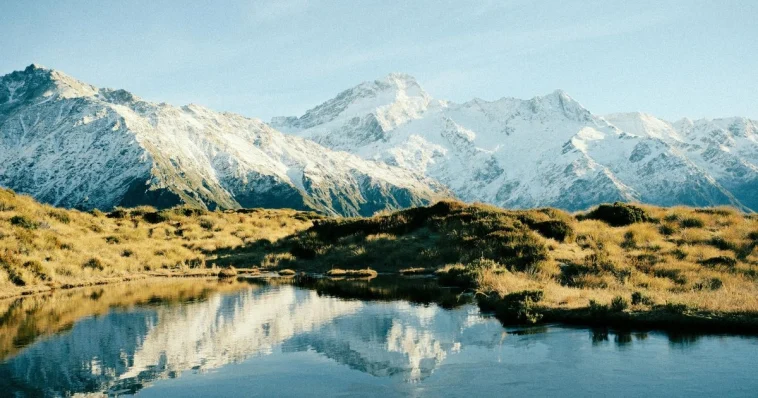
New Zealand is one of those rare destinations that capture the hearts and imaginations of travelers from around the world. With dramatic landscapes, a welcoming culture, and experiences that range from relaxed to adrenaline‑pumping, it’s no surprise that visitors return home with unforgettable memories. Whether you’re drawn by pristine beaches, snowy mountains, lush forests, or vibrant cities, learning a few helpful New Zealand travel tips before your trip will make your journey smoother and more enjoyable.
This guide brings together the best insights from recent reviews, travel articles, and firsthand traveler experiences to help you plan and enjoy your time in New Zealand. The information here reflects current travel trends, sensible advice, and practical tips to help you get the most out of your visit.
Planning Your Itinerary Wisely
Start With Your Must‑See Places
New Zealand may look small on a map, but it is packed with diverse landscapes and activities that can easily fill weeks of travel time. Many visitors begin by choosing a handful of regions or key destinations they absolutely want to experience, such as Queenstown for adventure, Rotorua for geothermal wonders, and Auckland for urban culture. Balancing big cities with natural attractions helps ensure your trip feels full without being rushed.
.jpg)
One smart approach to planning is to build your itinerary around themes, such as outdoor adventure, natural scenery, or cultural experiences. This method helps you group activities into logical travel paths, making it easier to manage travel time between regions. For example, combining the North Island’s geothermal sites with the vineyards around Hawke’s Bay creates a varied yet coherent route.
Knowing what matters most to you helps shape the rest of your trip. Craft your plan so there’s time for rest as well as adventure. Moments spent relaxing on a quiet beach or sipping coffee in a local café can be just as rewarding as ticking off major sights from a list.
Consider Travel Pace and Distance
One of the biggest surprises for visitors is how long it can take to travel between destinations. Roads wind through mountains, forests, and coastlines, making scenic drives slower but often more rewarding than highways. A drive that looks short on a map could take several hours, especially on the South Island, where distances between towns can be deceptive.
When arranging your itinerary, allow plenty of buffer time for each leg of travel. It’s tempting to pack in as many stops as possible, but long days on the road can leave you tired and less excited about your next activity. Try to limit major travel on consecutive days, and schedule longer transfers early in the day so you arrive at your next base while there is still daylight.
For first-time visitors with limited time, it’s best to focus on one island rather than trying to explore both during a short trip. Each island deserves a week or more to explore comfortably. This approach lets you dig deeper into the region’s highlights without feeling rushed.
Understanding the Best Time to Visit
Seasonal Highlights and Weather Patterns
New Zealand’s seasons are opposite those in the northern hemisphere, meaning summer runs from December through February and winter from June through August. The country’s climate also varies greatly from north to south, so the best time to travel depends on the activities you want to enjoy.
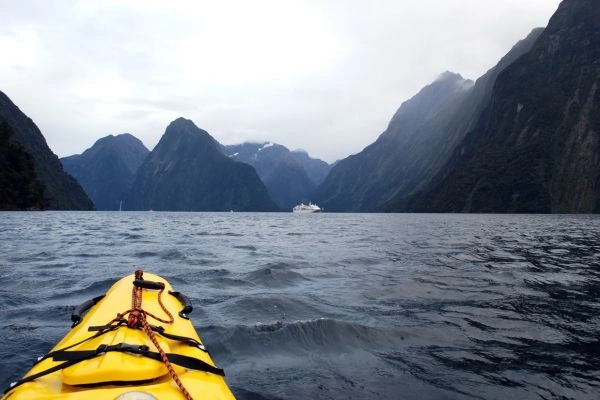
Summer is the peak travel season and ideal for outdoor activities like hiking, swimming, and kayaking. The weather is warmest at this time, especially in the North Island. However, summer also brings the largest crowds and higher accommodation prices. Shoulder seasons like spring (September to November) and autumn (March to May) often offer pleasant weather, fewer tourists, and lower costs.
Winter in New Zealand is perfect for snow sports. The South Island’s ski resorts around Queenstown and Wanaka flourish from June through September. If skiing or snowboarding is your goal, planning your trip for these months will put you right at the heart of winter fun.
Trip Type and Seasonal Choices
If your priority is enjoying lush green landscapes and mild weather, spring is a lovely time to visit. Wildflowers bloom, and wildlife becomes more active, giving nature lovers plenty to celebrate. Autumn colors and cooler temperatures make this season ideal for vineyard visits, scenic drives, and beach walks, without the peak-summer heat.
Beaches and water activities reach their peak during summer. Subtropical spots like the Bay of Islands and Coromandel Peninsula are especially appealing at this time. Just remember that popular coastal towns can become crowded, so booking accommodations early is key.
No matter what season you choose, check long‑range weather forecasts and local conditions before departure. Weather can change quickly in mountainous areas like Fiordland or the Southern Alps, so awareness of conditions helps you plan the right gear and activities.
Budgeting and Cost‑Saving Tips
Travel Smart With Money
New Zealand can be pricier than some travelers anticipate. From food to accommodations and activities, costs can add up quickly. One effective budgeting tip is to book accommodations and key attractions well in advance. Not only does this help secure better prices, but it also ensures availability in popular regions during peak travel times.
Self‑catering is another strategy that helps stretch travel funds. Grocery stores in New Zealand are well stocked with fresh produce and ready‑to‑cook meals. Choosing a mixture of restaurants and self‑prepared meals gives you flexibility without compromising on quality.
For transport, consider multi‑day or off‑peak bus passes, or evaluate campervan options if you enjoy road trips and flexible sleep locations. Campervans double as transport and lodging, making them a smart choice for outdoor lovers and those who want to stay close to nature.
Look for Discounts and Free Activities
Many attractions and experiences in New Zealand offer free or low‑cost options. National parks typically charge minimal entrance fees, and walking tracks range from short, easy trails to multi‑day hikes that are free to access. Cities and towns often host free outdoor performances, markets, and cultural events throughout the year.
Discount cards and local passes are worth exploring, too. Some cities offer visitor passes that bundle attractions at a reduced rate. Even if a pass only saves a small amount, every bit helps when staying on budget.
Lastly, consider travel insurance that covers cancellations and medical needs. The peace of mind that insurance provides can save money and reduce stress when unexpected issues arise.
Getting Around New Zealand
Driving and Road Conditions
Self‑drive travel is one of the most popular ways to see New Zealand. Roads are generally well-maintained, and distances make road trips comfortable and scenic. However, many routes are rural or mountainous, so driving at night or in bad weather should be approached with caution.
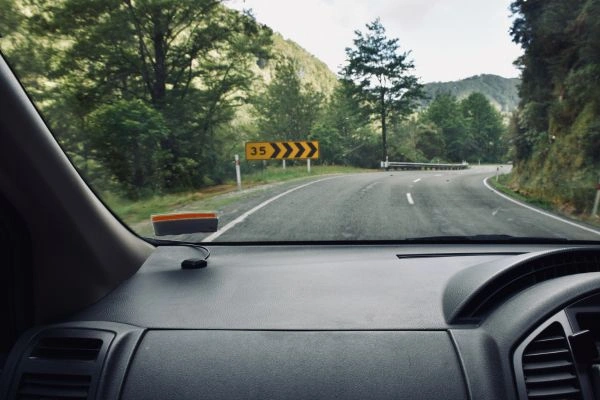
Make sure your vehicle is suited to the areas you plan to visit. If you’re heading into remote or alpine regions, a car with good ground clearance might offer more confidence and comfort. Always carry a physical road atlas as backup, since cellphone coverage can be limited in isolated areas.
Pay attention to local driving rules and courtesy. New Zealanders drive on the left side of the road, and many scenic routes wind along mountain edges or over bridges. Taking your time and respecting speed limits makes travel safer for everyone.
Public Transport and Domestic Flights
If you prefer not to drive, New Zealand’s public transport and domestic flights offer reliable alternatives. Long‑distance coaches connect major cities and towns, and domestic airlines offer frequent services between key hubs like Auckland, Wellington, Christchurch, and Queenstown.
With coach passes, you can hop on and off at scenic spots along main routes, making travel more flexible. This is especially handy for travelers who want scenic landscapes without the stress of driving. Domestic flights save time over long distances and allow you to focus more on exploration and less on transit.
Taxis, ride‑share services, and local buses are widely available in urban centers. They make it easy to explore cities and nearby attractions without needing a car.
Packing Essentials and Local Gear
What to Pack for Variable Weather
One of the most important New Zealand travel tips is to pack for changing weather. Conditions can shift rapidly, especially in mountainous and coastal areas. Layers are key. Bring quick‑dry shirts, a good waterproof jacket, comfortable walking shoes, a warm mid‑layer, and versatile pants. Even in summer, mountain regions can be cool in the evening.
Sun protection is also essential. New Zealand’s location means UV rays can be strong year‑round. A wide‑brimmed hat, high‑SPF sunscreen, and UV‑protective clothing will help you stay safe during outdoor activities.
If you plan to hike or explore conservation parks, consider bringing a daypack, a reusable water bottle, insect repellent, and a headlamp. These items keep you prepared for long walks and changing terrain.
Gear for Specific Activities
Your activity choices will determine the specific gear you need. Beach days require swimwear, towels, and sandals. Snow sports require insulated layers, waterproof gloves, and proper goggles or a helmet if you’ll be skiing or snowboarding. For water adventures like kayaking or snorkeling, a waterproof bag and quick‑dry clothing are helpful.
For international visitors, universal adaptor plugs and a portable battery pack ensure your electronics stay powered. A compact first aid kit and basic medications can also be convenient, especially in rural or remote areas.
Cultural Etiquette and Safety
Respect Local Customs
New Zealanders, often called Kiwis, are known for their friendliness and laid‑back attitudes. Respecting local culture and customs makes interactions more pleasant. Māori culture is a vital part of the country’s identity, and many places have deep Indigenous meaning. Being mindful of local traditions, listening to cultural guides, and following signs in important sites shows respect.
Greeting people with a simple hello or friendly nod goes a long way. Tipping is not required, but it is appreciated for exceptional service. Always ask permission before photographing people or sensitive sites.
Safety and Outdoor Preparedness
New Zealand is a safe destination, but outdoor activities come with risks. Always review the weather forecast and trail conditions before heading out on a hike. Tell someone your plans if you’re exploring alone. Many walking tracks are well-marked, but more remote paths may require navigation skills.
Water safety is also important. Beaches can have powerful riptides, and alpine lakes remain cold, even in summer. Swim only in designated areas and follow local safety warnings.
Food and Drink Experiences
Exploring Local Cuisine
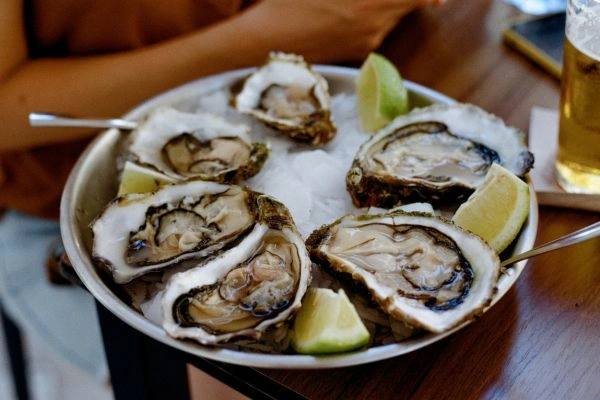
New Zealand’s food scene blends fresh local produce with global influences. Seafood is a highlight, with green‑lip mussels, Bluff oysters, and king salmon featuring in many menus. Lamb, venison, and locally grown produce, such as kumara (sweet potato), also make frequent appearances.
Cafés and food markets offer easy, delicious meals that reflect local tastes. Trying a classic Kiwi pie or a flat white coffee at a cozy café gives insight into everyday life and local flavor.
Wine Regions and Tastings
If wine isn’t your preference, craft breweries and cider houses across the country offer a range of local brews worth sampling.
Hidden Gems and Lesser‑Known Spots
Exploring Off‑The‑Beaten‑Path Places
While major attractions are wonderful, some of the best memories come from lesser‑known places—the Catlins on the southern coast offer rugged scenery and wildlife sightings without the crowds. The East Cape has beautiful beaches and a peaceful pace perfect for reflection and exploration.
Small towns like Raglan, renowned for its iconic surf breaks, or Havelock, celebrated as the green-lipped mussel capital, bring local charm and character to any itinerary. Seeking out these quieter spots often reveals the heart of New Zealand.
Unique Experiences Worth Trying
Some experiences are uniquely Kiwi and worth adding to your trip. Glowworm caves near Waitomo light up like stars underground, and Maori cultural performances bring ancient traditions to life. Stargazing in remote areas like Tekapo showcases some of the clearest night skies on Earth.
Frequently Asked Questions
- What Are The Top New Zealand Travel Tips For First‑Time Visitors?
Plan your itinerary around key regions, budget extra travel time for long drives, and pack layers for varying weather.
- What’s the Best Time to Visit New Zealand?
Spring and autumn offer mild weather and fewer crowds, while summer is ideal for beaches and outdoor activities, and winter is great for snow sports.
- Is Renting a Car Necessary to Travel Around New Zealand?
A car or campervan offers greater freedom, but buses and domestic flights are reliable alternatives for getting between major towns and cities.
- Is New Zealand Safe For Solo Travelers?
Yes. New Zealand is considered very safe, but standard precautions apply, especially for outdoor hikes and remote areas.
- What’s the Best Way to Pack for a Multi-Region Trip?
Pack layers, waterproof gear, sun protection, comfortable walking shoes, and activity‑specific gear for snow, beach, or hiking adventures.
New Zealand offers an abundance of experiences for travelers of all kinds. Whether you’re seeking adventure, relaxation, culture, or breathtaking natural beauty, the country has it all. With the right preparation, from crafting a flexible itinerary to knowing the best time to travel, you can ensure your trip is both enjoyable and hassle-free.
The New Zealand travel tips provided here will help guide you through essential travel decisions, like when to visit, how to get around, and what to pack. By following these recommendations and remaining open to the unexpected, you’ll be able to truly immerse yourself in everything New Zealand has to offer. Enjoy every moment, from the bustling cities to the serene landscapes, and make unforgettable memories along the way.